

Confirm feed size and actual composition
Maximum feed size determines whether the machine can accept the material, but measuring one representative rock is not enough. Establish the proportion of oversized lumps, size distribution, moisture and clay content in everyday feed. Hardness and abrasiveness are different properties; both affect crushing and wear. Where feed varies substantially, assess prescreening, feeding control and any necessary crushing tests.
Define the target in terms of usable output
Determine the throughput target from effective working hours per day and the needs of downstream equipment. If the line must produce several aggregate sizes, allow for screening, return material and capacity occupied by off-specification material. A capacity range in equipment literature applies under particular conditions and is not a promise for every site. Record raw material throughput and saleable finished output separately to avoid mixing measurement bases.
Match the discharge setting to the next stage
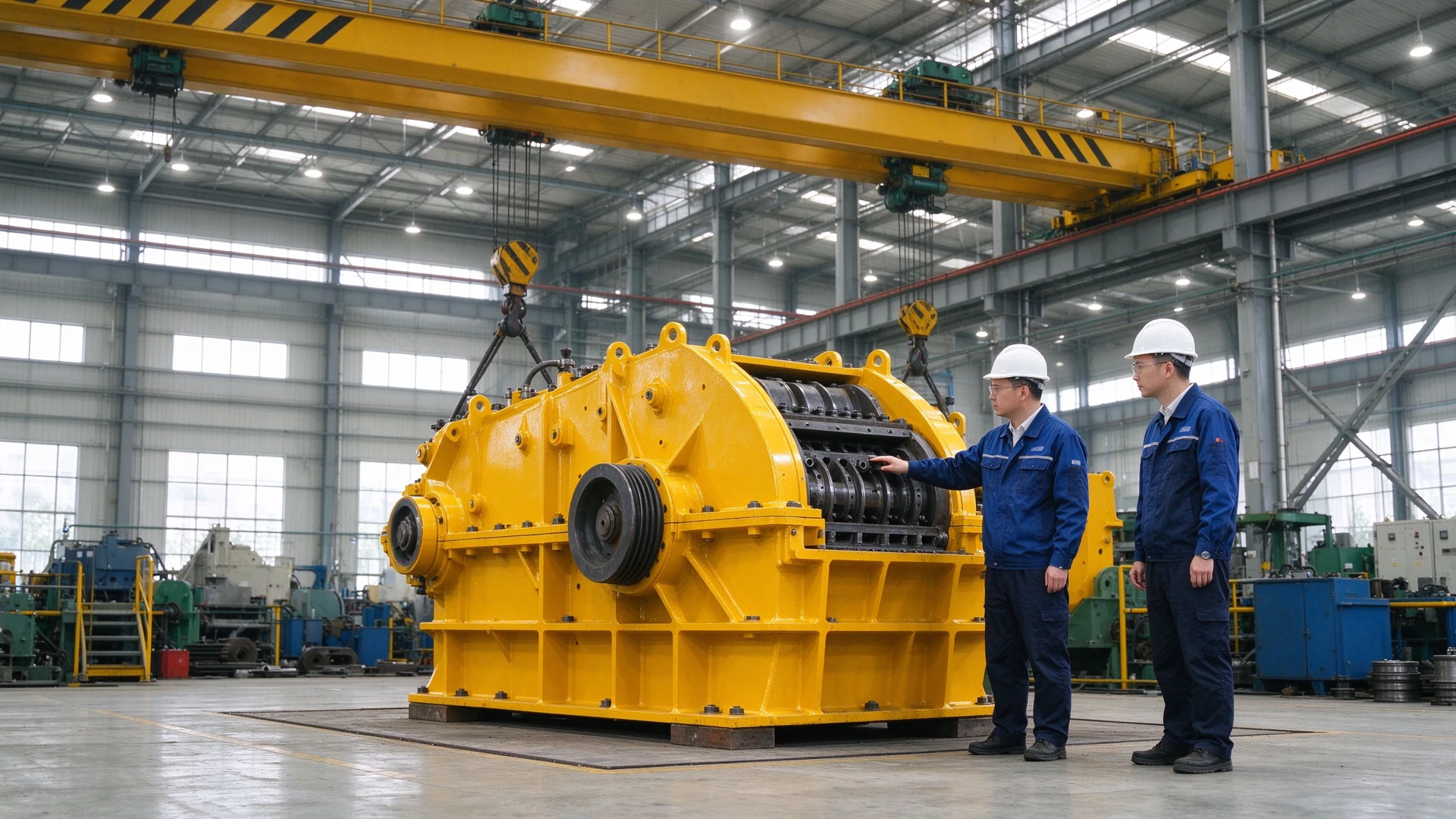
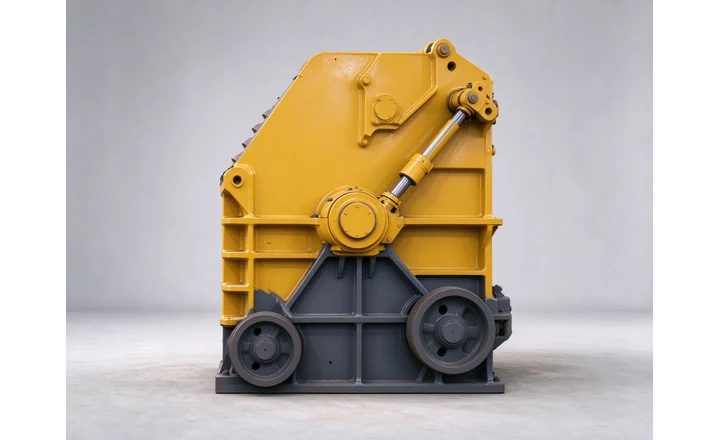
For the RP-JC-1200, the supplied data lists a maximum feed size of 750 mm, a discharge setting of 100–200 mm and a capacity of 150–350 t/h. When choosing a setting, check the allowable feed size and conveying capacity of the next crusher. A discharge-opening value does not describe the whole product-size distribution. Final grading still depends on downstream crushing and screening.
Include installation and maintenance in the comparison
Alongside the main-machine specifications, check foundation bearing capacity, transport dimensions, lifting arrangements, power supply and maintenance space. A heavy machine or restricted site access can affect installation planning. Jaw plates, fasteners, lubrication points and transmission components require routine inspection. Spare-parts availability and the capability of maintenance personnel belong in the purchasing discussion, rather than comparing initial price alone and overlooking ongoing operating requirements.
Consider feeding stability and supporting capacity
Feeding arrangements directly influence the load on a jaw crusher. Persistent uneven feeding, short bursts of concentrated feed or long interruptions may cause actual performance to differ from expectations. Describe loading equipment, transport rhythm and hopper layout during the configuration discussion. Review the feeder and prescreening arrangement where needed. Assessing these inputs together with the main-machine parameters gives a better basis for judging whether equipment capacity matches site operations.
Use complete information to obtain configuration advice
Before requesting a quotation, prepare the material name, maximum lump size, hardness and abrasiveness, target throughput, downstream equipment and project location. State whether the project is an existing-line upgrade. If operating conditions are unclear, discuss sampling and testing before confirming settings and capacity targets. Providing these details to RockPeak makes it easier to compare models, the supporting-equipment scope and delivery conditions, and can reduce repeated revisions to the proposal.
PROCESS FIRST
Discuss your quarry feed.
Share your material, feed size, target throughput, finished sizes and project location.