

Put equipment introductions in the production process
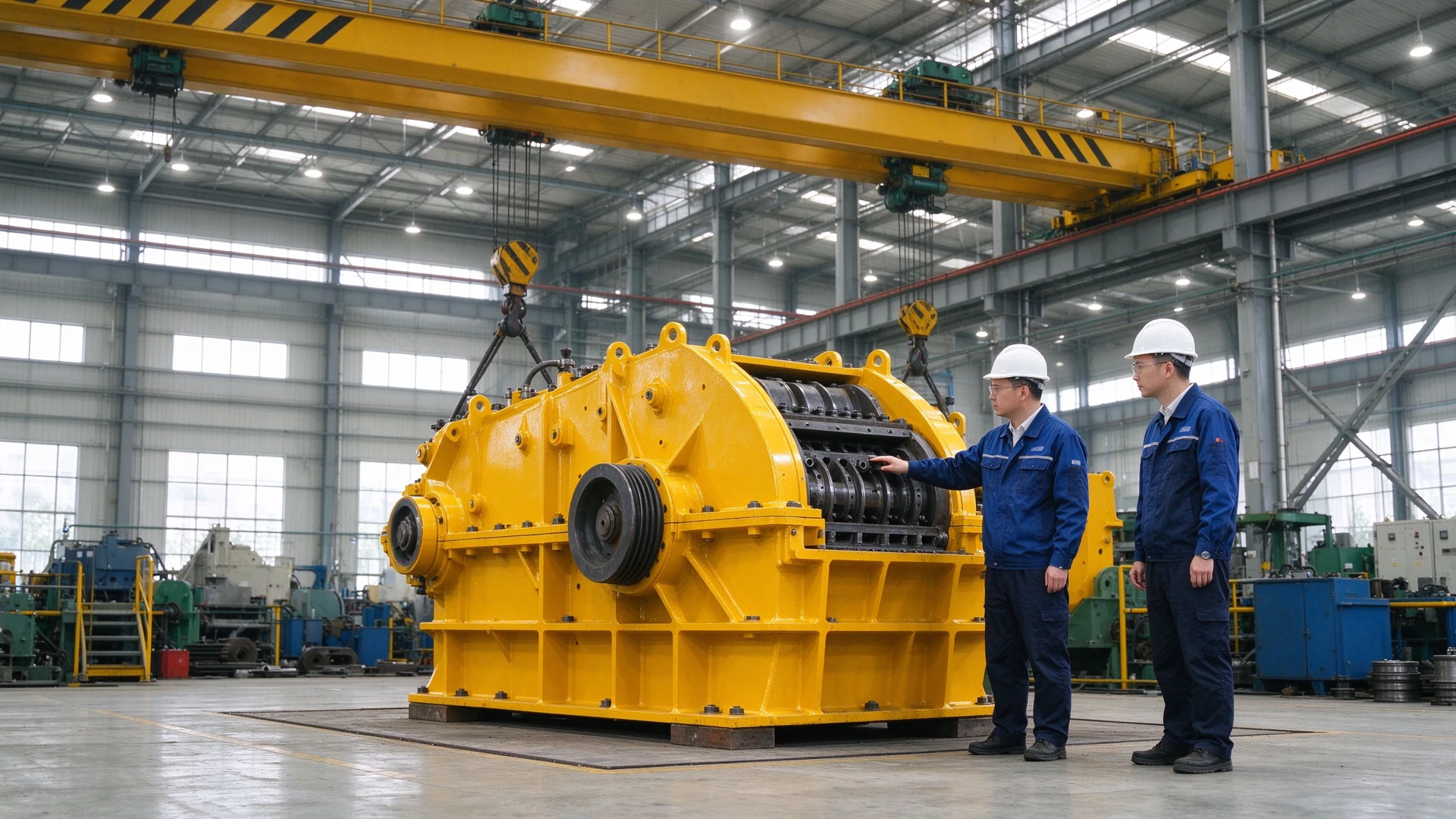
The reported exhibition presentation covered jaw crushers, cone crushers and mobile crushing approaches, using equipment demonstrations to discuss applications. For a purchasing team, the model is only a starting point: establish its position in the line, the material it receives and the discharge conditions it supplies downstream. These relationships help avoid comparing proposals solely by motor power or individual machine price.
Discuss the interfaces in hard-rock crushing
Jaw crushers typically perform primary crushing of hard rock and ore, while cone crushers handle secondary or tertiary reduction of medium-hard and hard materials. When comparing combined arrangements, check upstream discharge against downstream feed limits and assess feeding, conveying and screening. Where material returns to the crusher, include circulating load in capacity calculations rather than treating an individual machine's listed range as whole-line output.
Evaluate mobile arrangements through site organization
Mobile plants offer another way to organize equipment where sites are dispersed or relocation takes place in stages. Assess transport routes, ground bearing capacity, energy and product storage space together. Construction waste recycling also requires sorting and contaminant removal. Compare the complete process from incoming material to conforming product, rather than judging value solely by whether the machine can move.
Use technical information to support follow-up discussions
According to the supplied account, RockPeak discussed customized lines with quarry owners and engineering contractors and established intentions to cooperate. Subsequent proposal work requires material hardness, maximum feed size, target throughput, product sizes and site layouts. For an upgrade, existing flow diagrams, accumulation points and maintenance records can help identify which process stage imposes the limit. Cooperation intentions are not confirmed equipment orders.
Define a consistent basis for project data
Project inputs should state whether target throughput means raw material entering the line or conforming finished output, whether return material is included, and the effective operating time assumed. Using consistent definitions allows supplier and operator to compare configurations on the same basis and turn a later technical proposal into clear purchasing requirements.
Move from initial discussions to configuration checks
Technical and commercial confirmation is still required between an intention to cooperate and a final equipment order. Check the equipment list, interface conditions, installation scope, spare parts and delivery arrangements item by item, and record unresolved points for follow-up. RockPeak discusses configuration using project inputs; exhibition discussions do not replace an operating-condition assessment. Provide the project location and processing requirements to continue the selection discussion.
PROCESS FIRST
Discuss your application inputs.
Share your material, feed size, target throughput, finished sizes and project location.